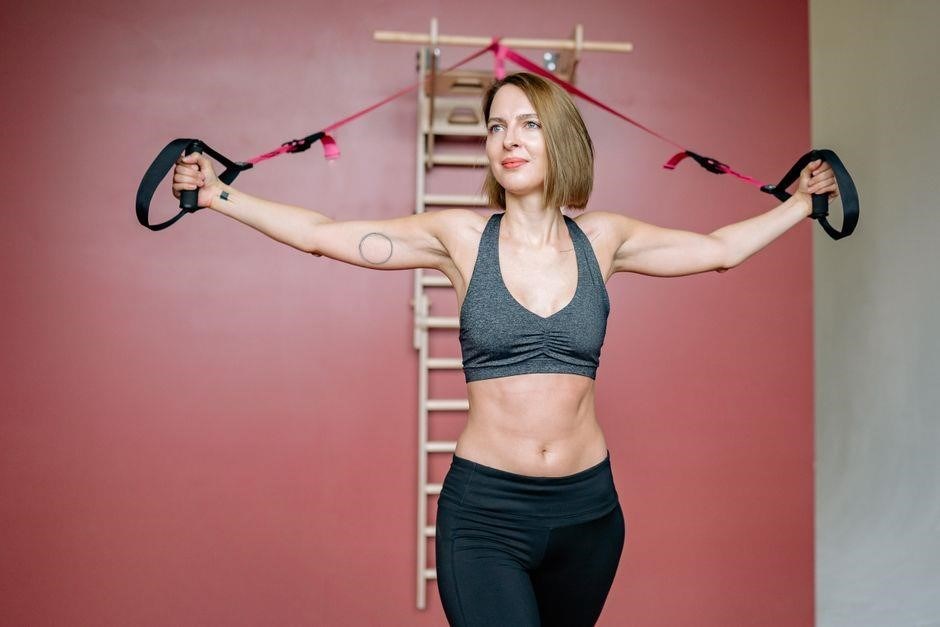
Overview of Suspension Training Workouts PDF

This PDF offers a structured guide to suspension training, featuring workout plans, exercise illustrations, and progression charts. It includes beginner to advanced routines, PDF schedules, and progress trackers, enabling users to stay organized and motivated. Start now, feel stronger daily.!
What to Expect in the Document
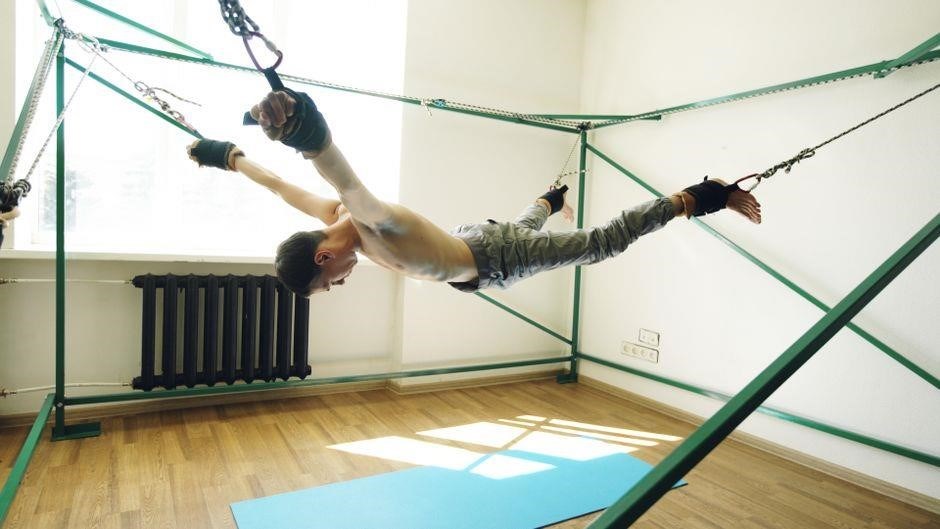
Within this comprehensive PDF you will find a clear, step‑by‑step layout that guides you from basic fundamentals to advanced techniques. The document opens with an introductory overview that explains the science behind suspension training, the key muscle groups engaged, and the core principles that make the system effective. Following the intro, a detailed exercise library showcases over thirty movements, each accompanied by a concise description, a high‑resolution illustration, and a list of recommended repetitions and sets for different fitness levels. The library is organized by body part—upper body, core, lower body, and full‑body combos—allowing you to quickly locate the drills that match your goals. A dedicated progression chart tracks your development over time, highlighting when to increase difficulty, add reps, or incorporate more complex variations. The PDF also includes a printable weekly schedule template that you can fill in with your chosen workouts, notes, and personal metrics. To help you stay accountable, a progress‑tracking sheet records key performance indicators such as total volume, time under tension, and perceived exertion. Safety guidelines are interwoven throughout, offering tips on proper form, anchor placement, and injury prevention. The final sections provide troubleshooting advice for common issues, a glossary of terms, and links to supplementary videos for visual reference. By the time you finish reading, you will have a fully functional training plan, a clear roadmap for progression, and the tools needed to monitor and celebrate your gains. With this PDF as your companion, you’ll have a versatile, evidence‑based framework that adapts to any training phase, ensuring consistent progress and confidence!
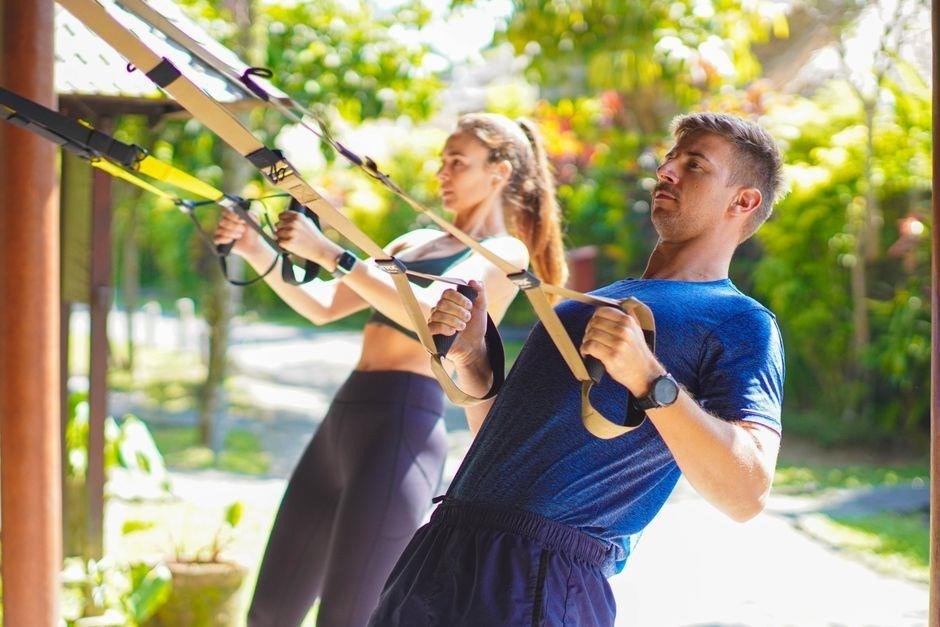
Benefits of Using a PDF for Suspension Training
Using a PDF streamlines your training by offering instant access to structured plans, printable schedules, and progress trackers—all offline; It saves time, reduces distractions, and ensures consistency, making it easier to stay focused and achieve measurable results. Stay consistent grow strong

Flexibility and Accessibility
The PDF format offers unparalleled flexibility for suspension training enthusiasts. By consolidating workout plans, instructional diagrams, and progress logs into a single downloadable file, users can access their routines anytime, whether on a laptop, tablet, or smartphone. This portability eliminates the need for multiple apps or physical manuals, allowing athletes to focus solely on movement quality. Moreover, the PDF’s static nature ensures that the layout remains consistent across devices, preserving the integrity of exercise sequencing and visual cues. Accessibility is further enhanced by the ability to zoom in on muscle activation diagrams or enlarge text for those with visual impairments. Users can also annotate directly within the PDF, marking personal notes or modifying sets and reps to suit their evolving goals. For those traveling or training in remote locations, the offline capability means workouts can be performed without an internet connection, making the PDF an ideal companion for gym, home, or outdoor sessions. Additionally, the file can be printed in full color, providing a tangible reference that can be pinned near workout equipment or displayed on a wall for quick reference. This combination of digital convenience and physical tangibility makes the PDF format uniquely adaptable to diverse training environments and individual preferences. Whether you’re a beginner seeking foundational strength or a seasoned athlete refining technique, the PDF’s adaptable framework accommodates all skill levels, ensuring a smooth progression and sustained motivation throughout your fitness journey. one file for all ages
Essential Equipment and Setup
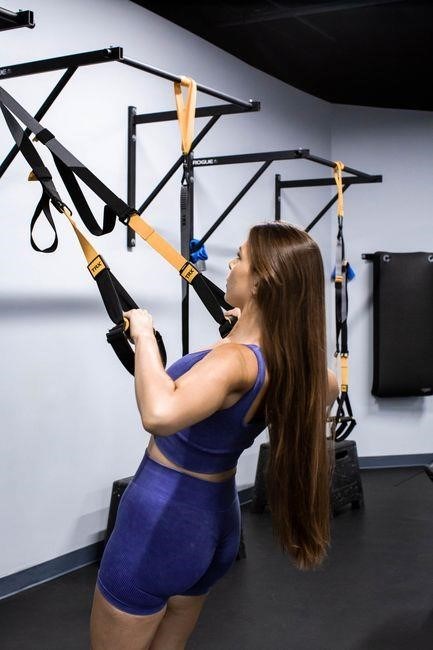
A suspension trainer, sturdy anchor points, and a flat surface are core. Choose a high‑strength rope or straps, and secure them to a ceiling joist, door frame, or wall mount. Ensure the anchor can bear at least 1.5× body weight for safety and stability!!!!
Choosing the Right Suspension Trainer and Anchors
When selecting a suspension trainer, prioritize durability, load capacity, and versatility. Look for a frame made from high‑strength aluminum or steel, and straps that are at least 2.5 mm thick. The system should support at least 1.5 × your body weight to ensure safety during progressive overload. For anchors, choose a ceiling joist or a commercial door frame rated for 500 lb. Avoid weak wooden beams or single‑point hinges; instead, use a dual‑point anchor or a commercial mounting plate that distributes force evenly. Test the anchor by applying a gradual load before each workout to confirm it holds. Additionally, consider the trainer’s adjustability: a modular system that allows you to change the angle, height, and strap length will keep your routine fresh and prevent plateaus. Finally, read user reviews and verify the manufacturer’s warranty—this guarantees that the product will stand up to long‑term use and that you have support if any part fails. By carefully evaluating material quality, load rating, anchor compatibility, and adjustability, you’ll build a reliable foundation for effective suspension training. Whether you’re a beginner looking to build foundational strength or an advanced athlete seeking to refine technique, the PDF’s structured approach ensures progressive overload, balanced muscle development, and injury prevention. By integrating daily logs, you’ll stay accountable, track improvements, and celebrate milestones. Stay consistent, and watch your body transform.!
Beginner Suspension Training Routine
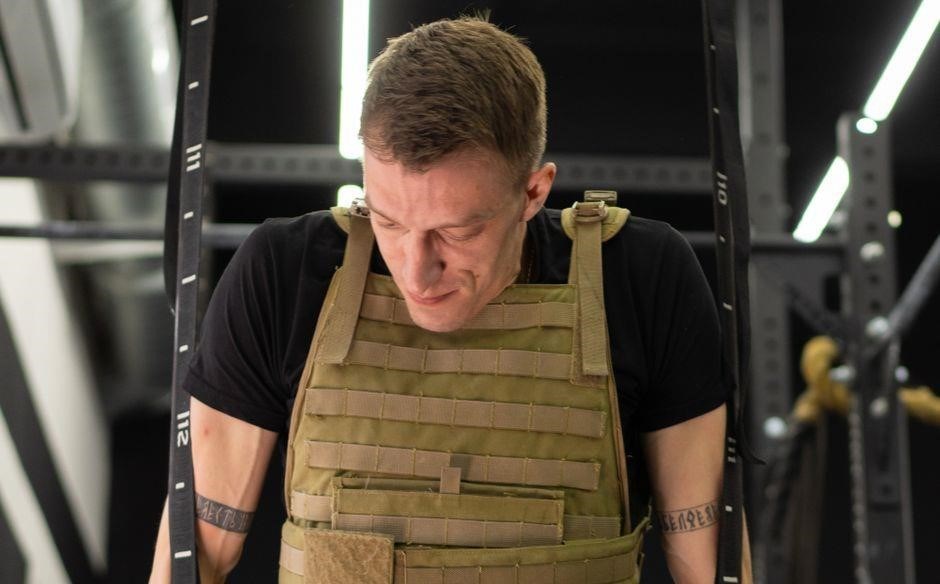
Begin with basic moves: plank, squat, and row. Perform 3 sets of 10 reps, resting 60 seconds. Progress weekly by adding a set or reducing rest. Include a 5‑minute warm‑up and cool‑down. Track reps in the PDF log to monitor growth. Use proper form, vary grips, rest 48 hrs before repeating. In PDF tracker.
Sample 4‑Week Plan in PDF Format
Week 1 focuses on foundational stability. Perform 3 sets of 8 reps for each exercise: plank, squat, row, and push‑up. Rest 90 seconds between sets. Include a 5‑minute dynamic warm‑up and a 5‑minute cool‑down. Record each session in the PDF log to track consistency.
Week 2 increases volume. Add 1 set to each exercise, keeping 8 reps. Introduce a single‑leg squat variation for balance. Maintain 90‑second rests. Log progress in the PDF tracker, noting any fatigue or form adjustments.
Week 3 incorporates progression. Shift to 10 reps per set, reduce rest to 60 seconds. Add a reverse fly for upper‑back activation. Continue warm‑up and cool‑down routines. Use the PDF sheet to mark improvements and plan next week.
Week 4 caps the program. Perform 3 sets of 12 reps for all moves, with 45‑second rests. Add a plank‑to‑push‑up transition to challenge core endurance. Finalize the PDF log with a summary of gains, and set goals for the next training cycle.
Throughout the four weeks, consistency is key. Use the PDF’s built‑in progress tracker to note each set’s weight, time, and perceived effort. Adjust the anchor height to modify difficulty, and experiment with different grips to target specific muscle groups. After completing the plan, review the PDF summary to celebrate gains and identify areas for further growth.
Hydrate, rest, and listen to your body. The PDF’s charts let you swap days or add rest weeks, ensuring a progression that aligns with your goals!
Intermediate Suspension Training Routine
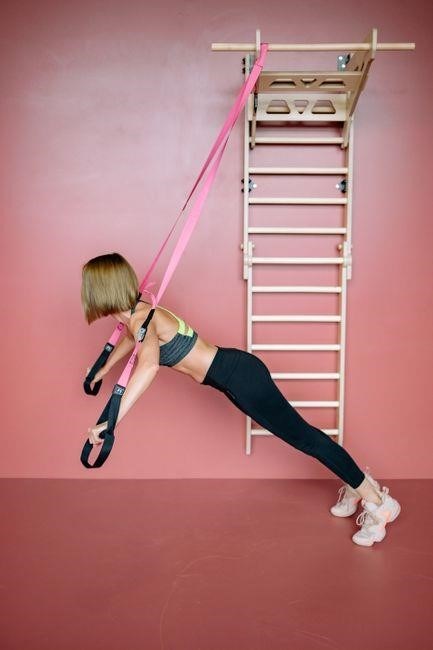
Step up with 4‑set circuits, 12 reps each. Add plyo jumps, single‑leg rows, and core twists. Rest 60‑90s. Log in PDF, adjust anchor height for intensity. Focus on form, progressive overload, and balanced muscle work. Keep up!!!!!!!
Progression Steps and Variations
Begin by mastering the basic plank, row, and squat. Once you can perform 3 sets of 15 reps with proper form, move to the next tier. Increase difficulty by raising the anchor, reducing body support, or adding a weighted vest. For each exercise, alternate between horizontal and vertical angles to target different muscle groups. Incorporate tempo changes: slow 3‑second eccentric, 1‑second pause, explosive concentric. Add single‑leg variations to improve balance. Use the “inverted” stance to shift load to the shoulders, then progress to a full “push‑up” stance. For advanced plyometrics, perform a single‑leg jump from a low plank position, landing softly and immediately returning to the plank. Track your progress in the PDF log sheet, noting anchor height, rep count, and perceived exertion. Adjust weekly: add 2 reps per set or decrease rest by 10 seconds. Remember to keep the core engaged and avoid sagging hips. Consistency and gradual overload are key to mastering suspension training. Additionally, integrate a weekly self‑assessment metric, such as a 30‑second plank hold or a single‑leg squat count, to quantify core stability and lower‑body strength gains; use the PDF’s built‑in chart to plot these values over time, noting any plateau or surge, and adjust your anchor height or rep scheme accordingly to maintain progressive overload while preventing overtraining or injury. Keep consistency to see measurable gains and stay injury‑free Stay fit.
Advanced Suspension Training Routine
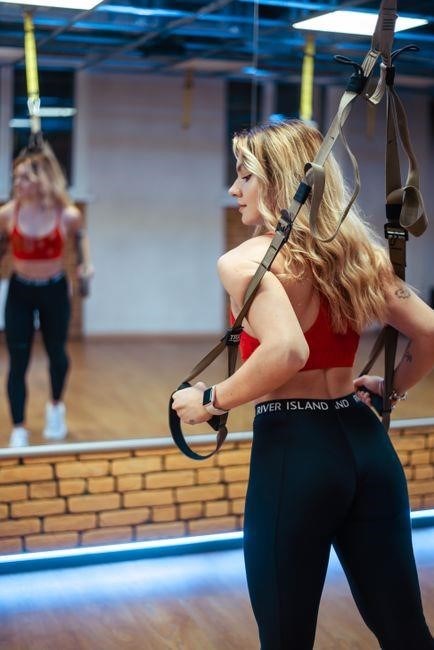
This PDF section details high‑intensity moves like pistol squats, muscle‑ups, and explosive jumps. It includes anchor adjustments, tempo variations, and recovery guidelines, ensuring safe progression for seasoned athletes seeking peak performance Master the core push limits and track progress
Complex Movements and Plyometrics
This PDF section details high‑impact, multi‑joint exercises that push stability, power, and coordination. Movements such as the suspension jump squat, single‑leg pistol squat, and explosive push‑up are detailed with step‑by‑step instructions, proper form cues, and safety checks. Plyometric drills like the tuck jump, lateral hop, and depth jump are incorporated to develop reactive strength. The guide explains how to adjust the anchor height and body angle to modulate difficulty, and it offers progression ladders for each exercise. Users can track sets, reps, and perceived exertion directly in the printable sheet, allowing them to monitor progress and make data‑driven adjustments. This section is essential for athletes who want to translate suspension training into explosive performance gains!!!!!
The PDF also includes a section on injury prevention, offering cues for core engagement, joint alignment, and breathing patterns during high‑intensity moves. It recommends progressive overload, rest intervals, and mobility drills to maintain joint health. Users can customize the template by adding notes, marking milestones, or setting personal goals. The printable sheet includes a progress log, a weekly summary, and a visual representation of volume and intensity, helping athletes track their training trajectory time.

How to Access and Use the PDF
Download the PDF from the official site, open it with any viewer, print the workout sheets, and use the built‑in progress tracker. Bookmark pages for quick reference, and sync with your phone for reminders. Enjoy a structured, portable training plan! Print and track daily. Add notes now!!!!!.
Downloading, Printing, and Tracking Progress
Downloading the suspension training workouts PDF is straightforward. Visit the official download page, click the link, and the file will begin to download. Once the download completes, open the PDF with any compatible viewer such as Adobe Reader or a browser plugin.
Printing is just a click away: choose the Print option, select your printer, and adjust settings like page range or orientation to fit your schedule. For tracking progress, the PDF includes a built‑in worksheet with columns for sets, reps, weight, and notes.
After each workout, record your performance directly in the PDF if your device supports editing, or print the worksheet and fill it manually. Many users prefer a digital log, so you can also export the data to a spreadsheet for advanced analysis.
Consistency is key—set a reminder to update your log after every session, and review your progress weekly to adjust intensity or volume. By combining easy download, printable layouts, and a clear tracking system, you’ll stay organized and motivated throughout your suspension training journey.
Use the built‑in calendar to schedule sessions, ensuring each muscle group is hit twice a week. Mark rest days and note soreness to adjust volume or intensity, keeping training balanced and injury‑free.
Celebrate milestones by noting strength gains every month endurance!!. Share progress on social media or with a partner to stay accountable. Consistency and proper form build long‑term success.