tommee tippee bottle warmer instructions manual
Get step‑by‑step instructions for your Tommee Tippee bottle warmer. From quick start to common fixes, keep your baby’s milk perfectly warm every time.
Get step‑by‑step instructions for your Tommee Tippee bottle warmer. From quick start to common fixes, keep your baby’s milk perfectly warm every time.
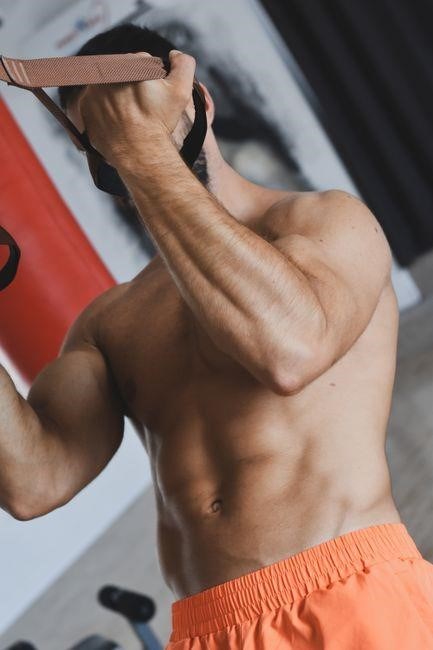
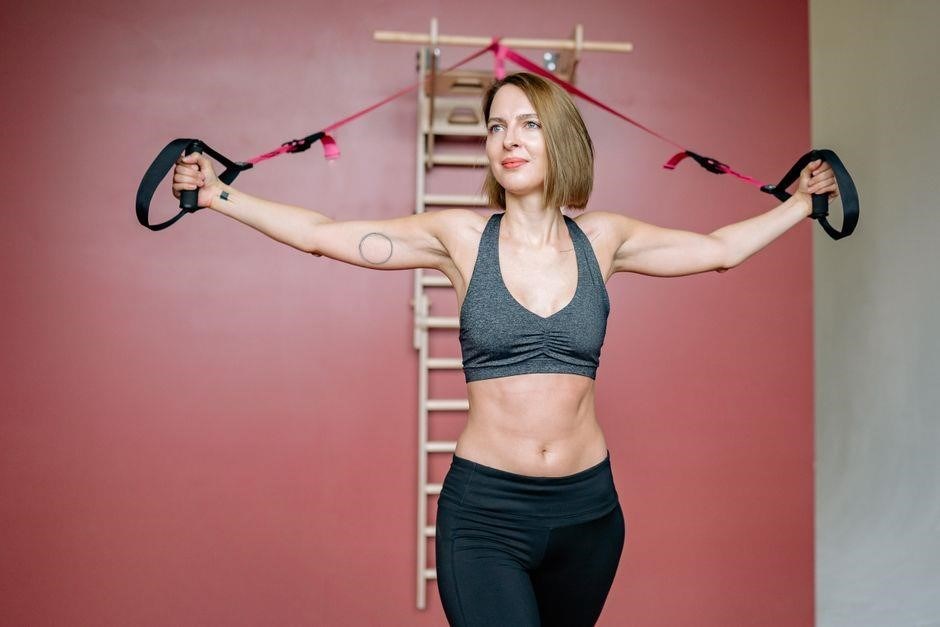
This PDF offers a structured guide to suspension training, featuring workout plans, exercise illustrations, and progression charts. It includes beginner to advanced routines, PDF schedules, and progress trackers, enabling users to stay organized and motivated. Start now, feel stronger daily.!
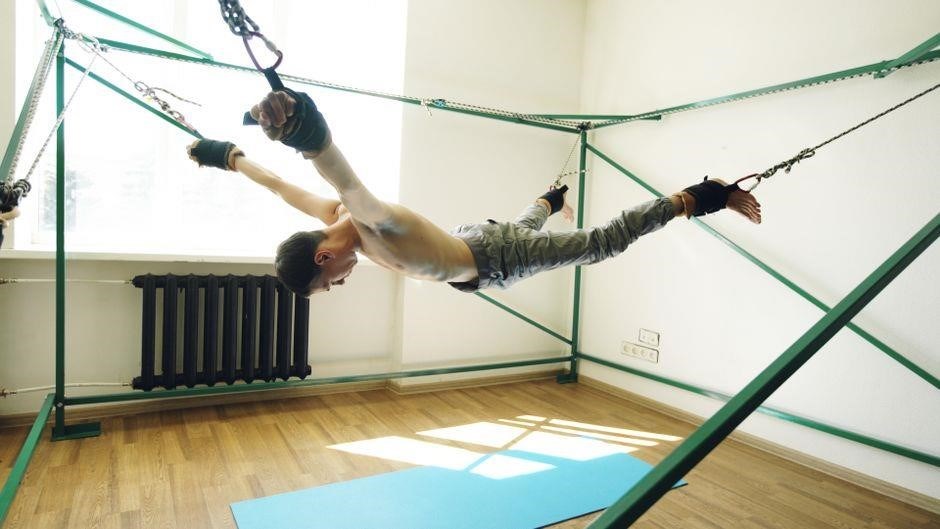
Within this comprehensive PDF you will find a clear, step‑by‑step layout that guides you from basic fundamentals to advanced techniques. The document opens with an introductory overview that explains the science behind suspension training, the key muscle groups engaged, and the core principles that make the system effective. Following the intro, a detailed exercise library showcases over thirty movements, each accompanied by a concise description, a high‑resolution illustration, and a list of recommended repetitions and sets for different fitness levels. The library is organized by body part—upper body, core, lower body, and full‑body combos—allowing you to quickly locate the drills that match your goals. A dedicated progression chart tracks your development over time, highlighting when to increase difficulty, add reps, or incorporate more complex variations. The PDF also includes a printable weekly schedule template that you can fill in with your chosen workouts, notes, and personal metrics. To help you stay accountable, a progress‑tracking sheet records key performance indicators such as total volume, time under tension, and perceived exertion. Safety guidelines are interwoven throughout, offering tips on proper form, anchor placement, and injury prevention. The final sections provide troubleshooting advice for common issues, a glossary of terms, and links to supplementary videos for visual reference. By the time you finish reading, you will have a fully functional training plan, a clear roadmap for progression, and the tools needed to monitor and celebrate your gains. With this PDF as your companion, you’ll have a versatile, evidence‑based framework that adapts to any training phase, ensuring consistent progress and confidence!
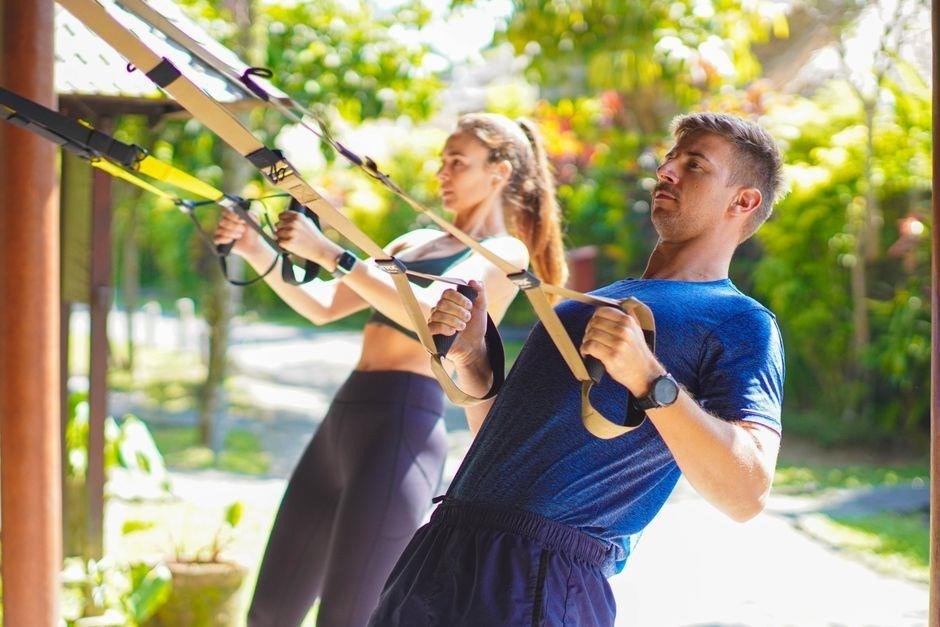
Using a PDF streamlines your training by offering instant access to structured plans, printable schedules, and progress trackers—all offline; It saves time, reduces distractions, and ensures consistency, making it easier to stay focused and achieve measurable results. Stay consistent grow strong
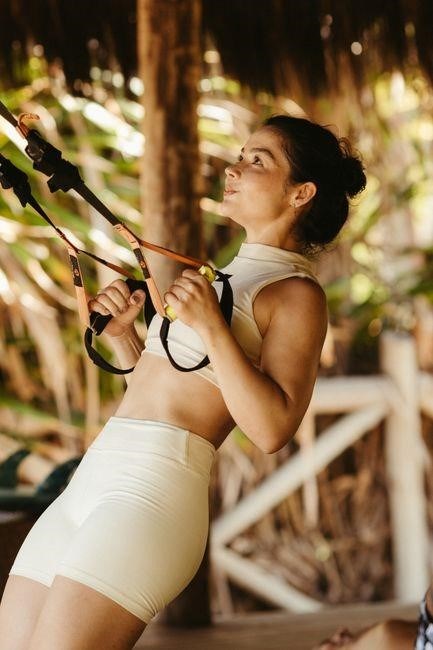
The PDF format offers unparalleled flexibility for suspension training enthusiasts. By consolidating workout plans, instructional diagrams, and progress logs into a single downloadable file, users can access their routines anytime, whether on a laptop, tablet, or smartphone. This portability eliminates the need for multiple apps or physical manuals, allowing athletes to focus solely on movement quality. Moreover, the PDF’s static nature ensures that the layout remains consistent across devices, preserving the integrity of exercise sequencing and visual cues. Accessibility is further enhanced by the ability to zoom in on muscle activation diagrams or enlarge text for those with visual impairments. Users can also annotate directly within the PDF, marking personal notes or modifying sets and reps to suit their evolving goals. For those traveling or training in remote locations, the offline capability means workouts can be performed without an internet connection, making the PDF an ideal companion for gym, home, or outdoor sessions. Additionally, the file can be printed in full color, providing a tangible reference that can be pinned near workout equipment or displayed on a wall for quick reference. This combination of digital convenience and physical tangibility makes the PDF format uniquely adaptable to diverse training environments and individual preferences. Whether you’re a beginner seeking foundational strength or a seasoned athlete refining technique, the PDF’s adaptable framework accommodates all skill levels, ensuring a smooth progression and sustained motivation throughout your fitness journey. one file for all ages
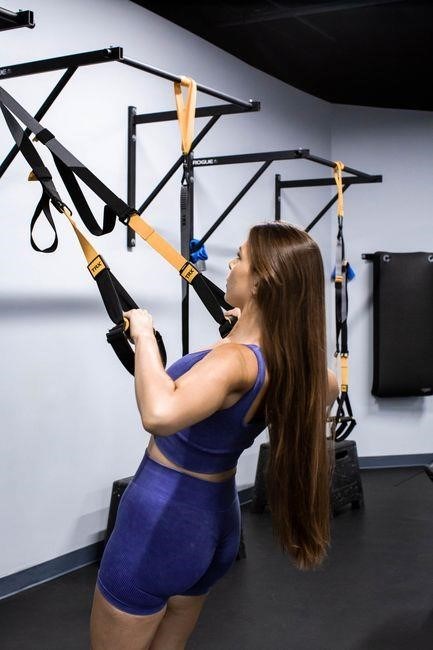
A suspension trainer, sturdy anchor points, and a flat surface are core. Choose a high‑strength rope or straps, and secure them to a ceiling joist, door frame, or wall mount. Ensure the anchor can bear at least 1.5× body weight for safety and stability!!!!
When selecting a suspension trainer, prioritize durability, load capacity, and versatility. Look for a frame made from high‑strength aluminum or steel, and straps that are at least 2.5 mm thick. The system should support at least 1.5 × your body weight to ensure safety during progressive overload. For anchors, choose a ceiling joist or a commercial door frame rated for 500 lb. Avoid weak wooden beams or single‑point hinges; instead, use a dual‑point anchor or a commercial mounting plate that distributes force evenly. Test the anchor by applying a gradual load before each workout to confirm it holds. Additionally, consider the trainer’s adjustability: a modular system that allows you to change the angle, height, and strap length will keep your routine fresh and prevent plateaus. Finally, read user reviews and verify the manufacturer’s warranty—this guarantees that the product will stand up to long‑term use and that you have support if any part fails. By carefully evaluating material quality, load rating, anchor compatibility, and adjustability, you’ll build a reliable foundation for effective suspension training. Whether you’re a beginner looking to build foundational strength or an advanced athlete seeking to refine technique, the PDF’s structured approach ensures progressive overload, balanced muscle development, and injury prevention. By integrating daily logs, you’ll stay accountable, track improvements, and celebrate milestones. Stay consistent, and watch your body transform.!

Begin with basic moves: plank, squat, and row. Perform 3 sets of 10 reps, resting 60 seconds. Progress weekly by adding a set or reducing rest. Include a 5‑minute warm‑up and cool‑down. Track reps in the PDF log to monitor growth. Use proper form, vary grips, rest 48 hrs before repeating. In PDF tracker.
Week 1 focuses on foundational stability. Perform 3 sets of 8 reps for each exercise: plank, squat, row, and push‑up. Rest 90 seconds between sets. Include a 5‑minute dynamic warm‑up and a 5‑minute cool‑down. Record each session in the PDF log to track consistency.
Week 2 increases volume. Add 1 set to each exercise, keeping 8 reps. Introduce a single‑leg squat variation for balance. Maintain 90‑second rests. Log progress in the PDF tracker, noting any fatigue or form adjustments.
Week 3 incorporates progression. Shift to 10 reps per set, reduce rest to 60 seconds. Add a reverse fly for upper‑back activation. Continue warm‑up and cool‑down routines. Use the PDF sheet to mark improvements and plan next week.
Week 4 caps the program. Perform 3 sets of 12 reps for all moves, with 45‑second rests. Add a plank‑to‑push‑up transition to challenge core endurance. Finalize the PDF log with a summary of gains, and set goals for the next training cycle.
Throughout the four weeks, consistency is key. Use the PDF’s built‑in progress tracker to note each set’s weight, time, and perceived effort. Adjust the anchor height to modify difficulty, and experiment with different grips to target specific muscle groups. After completing the plan, review the PDF summary to celebrate gains and identify areas for further growth.
Hydrate, rest, and listen to your body. The PDF’s charts let you swap days or add rest weeks, ensuring a progression that aligns with your goals!
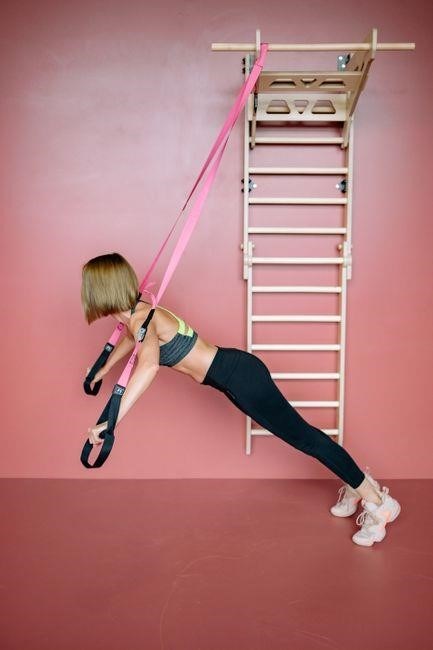
Step up with 4‑set circuits, 12 reps each. Add plyo jumps, single‑leg rows, and core twists. Rest 60‑90s. Log in PDF, adjust anchor height for intensity. Focus on form, progressive overload, and balanced muscle work. Keep up!!!!!!!
Begin by mastering the basic plank, row, and squat. Once you can perform 3 sets of 15 reps with proper form, move to the next tier. Increase difficulty by raising the anchor, reducing body support, or adding a weighted vest. For each exercise, alternate between horizontal and vertical angles to target different muscle groups. Incorporate tempo changes: slow 3‑second eccentric, 1‑second pause, explosive concentric. Add single‑leg variations to improve balance. Use the “inverted” stance to shift load to the shoulders, then progress to a full “push‑up” stance. For advanced plyometrics, perform a single‑leg jump from a low plank position, landing softly and immediately returning to the plank. Track your progress in the PDF log sheet, noting anchor height, rep count, and perceived exertion. Adjust weekly: add 2 reps per set or decrease rest by 10 seconds. Remember to keep the core engaged and avoid sagging hips. Consistency and gradual overload are key to mastering suspension training. Additionally, integrate a weekly self‑assessment metric, such as a 30‑second plank hold or a single‑leg squat count, to quantify core stability and lower‑body strength gains; use the PDF’s built‑in chart to plot these values over time, noting any plateau or surge, and adjust your anchor height or rep scheme accordingly to maintain progressive overload while preventing overtraining or injury. Keep consistency to see measurable gains and stay injury‑free Stay fit.
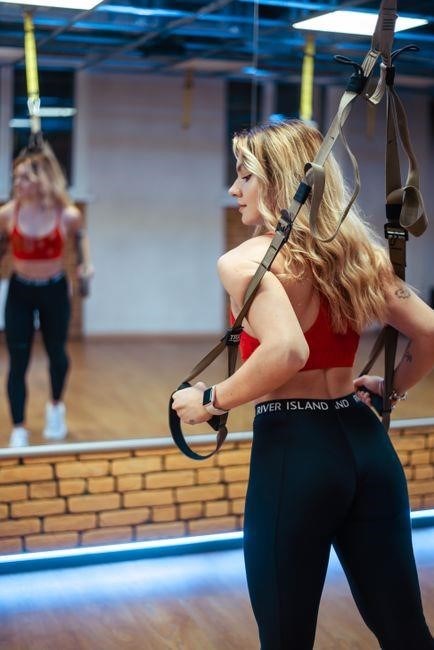
This PDF section details high‑intensity moves like pistol squats, muscle‑ups, and explosive jumps. It includes anchor adjustments, tempo variations, and recovery guidelines, ensuring safe progression for seasoned athletes seeking peak performance Master the core push limits and track progress
This PDF section details high‑impact, multi‑joint exercises that push stability, power, and coordination. Movements such as the suspension jump squat, single‑leg pistol squat, and explosive push‑up are detailed with step‑by‑step instructions, proper form cues, and safety checks. Plyometric drills like the tuck jump, lateral hop, and depth jump are incorporated to develop reactive strength. The guide explains how to adjust the anchor height and body angle to modulate difficulty, and it offers progression ladders for each exercise. Users can track sets, reps, and perceived exertion directly in the printable sheet, allowing them to monitor progress and make data‑driven adjustments. This section is essential for athletes who want to translate suspension training into explosive performance gains!!!!!
The PDF also includes a section on injury prevention, offering cues for core engagement, joint alignment, and breathing patterns during high‑intensity moves. It recommends progressive overload, rest intervals, and mobility drills to maintain joint health. Users can customize the template by adding notes, marking milestones, or setting personal goals. The printable sheet includes a progress log, a weekly summary, and a visual representation of volume and intensity, helping athletes track their training trajectory time.
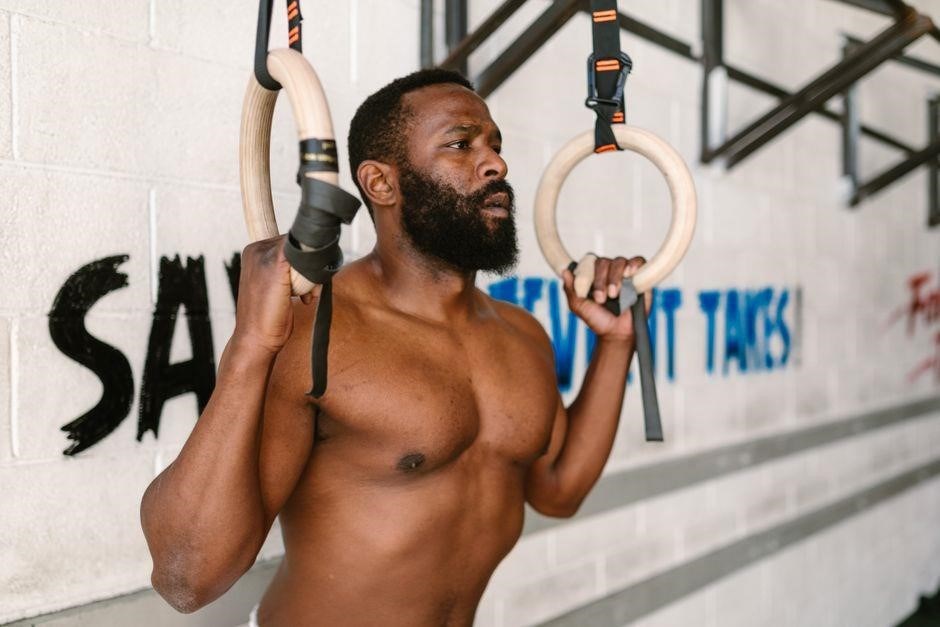
Download the PDF from the official site, open it with any viewer, print the workout sheets, and use the built‑in progress tracker. Bookmark pages for quick reference, and sync with your phone for reminders. Enjoy a structured, portable training plan! Print and track daily. Add notes now!!!!!.
Downloading the suspension training workouts PDF is straightforward. Visit the official download page, click the link, and the file will begin to download. Once the download completes, open the PDF with any compatible viewer such as Adobe Reader or a browser plugin.
Printing is just a click away: choose the Print option, select your printer, and adjust settings like page range or orientation to fit your schedule. For tracking progress, the PDF includes a built‑in worksheet with columns for sets, reps, weight, and notes.
After each workout, record your performance directly in the PDF if your device supports editing, or print the worksheet and fill it manually. Many users prefer a digital log, so you can also export the data to a spreadsheet for advanced analysis.
Consistency is key—set a reminder to update your log after every session, and review your progress weekly to adjust intensity or volume. By combining easy download, printable layouts, and a clear tracking system, you’ll stay organized and motivated throughout your suspension training journey.
Use the built‑in calendar to schedule sessions, ensuring each muscle group is hit twice a week. Mark rest days and note soreness to adjust volume or intensity, keeping training balanced and injury‑free.
Celebrate milestones by noting strength gains every month endurance!!. Share progress on social media or with a partner to stay accountable. Consistency and proper form build long‑term success.
Find the Vermont Casting Radiance gas stove manual online. Download PDF, troubleshoot, and get maintenance tips to keep your stove running smoothly.

Learn how to wrap a boppy for ultimate comfort and style. Step-by-step guide, tips, and tricks to keep your head warm and cozy all day long.
Find the complete Delupet shock collar manual online—step-by-step instructions, safety tips, and troubleshooting to help you train your pet confidently.
The 2013 Lexus RX 350 owner’s manual offers comprehensive guidance on vehicle operation, maintenance, and safety․ It details engine specs, transmission, infotainment, and driver‑assist systems, along with troubleshooting tips and a recommended service schedule․ Downloadable from Lexus’s official site․
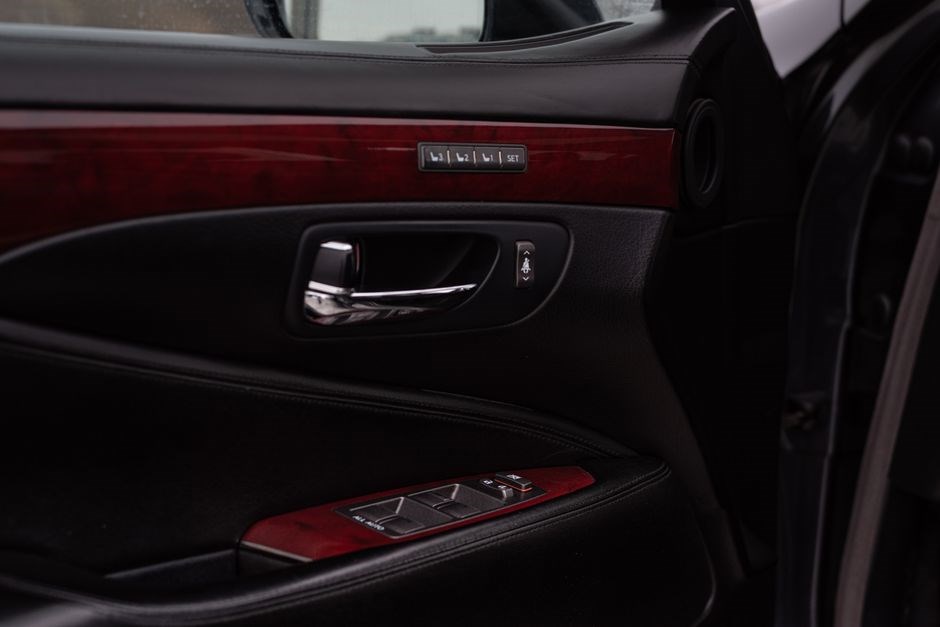

The 2013 Lexus RX 350 owner’s manual is organized into clear, user‑friendly sections that cover every aspect of ownership, from initial vehicle setup to long‑term maintenance․ The manual begins with a welcome page that introduces the vehicle’s brand philosophy and safety philosophy, followed by a quick‑start guide that explains how to access key controls, adjust seating and mirrors, and use the infotainment system․ A comprehensive safety section lists all safety equipment, such as airbags, seat‑belt pretensioners, and the vehicle’s electronic stability control, and explains how to use them correctly․ The manual then delves into the vehicle’s technical specifications, including engine type, transmission, and fuel system, and provides a detailed description of the electrical system, battery, and wiring․ A dedicated section explains how to read the dashboard indicators and warning lights, and how to respond to each․ The manual also covers the vehicle’s driver‑assist features, such as adaptive cruise control, lane‑keeping assist, and blind‑spot monitoring, and explains how to activate and deactivate them․ A maintenance schedule outlines recommended service intervals for oil changes, filter replacements, and fluid checks, and explains how to perform basic checks and replace items such as wiper blades and tires․ The manual concludes with troubleshooting tips for common issues, a glossary of terms, and contact information for authorized Lexus dealers and service centers․ Throughout the manual, clear diagrams, illustrations, and step‑by‑step instructions help owners understand and maintain their vehicle with confidence․
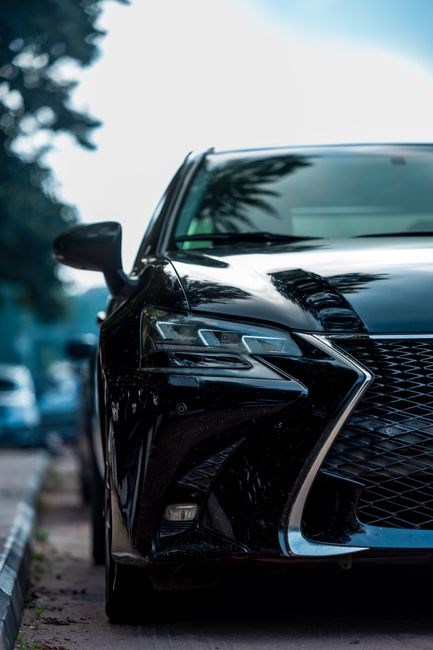
The manual’s index and quick‑reference tables allow owners to locate information rapidly, whether they need to reset the odometer, replace a fuse, or perform a battery jump‑start․ The “How to Use This Manual” section explains the layout of the table of contents, the purpose of each chapter, and how to navigate the electronic version on a tablet or smartphone․ By following the instructions in this manual, owners can keep their RX 350 running smoothly, extend its lifespan, and enjoy the full range of features that Lexus offers․
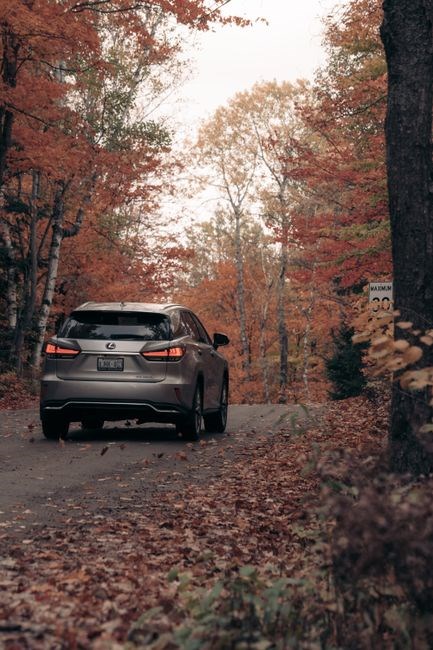

Regular maintenance keeps the 2013 Lexus RX 350 reliable and safe․ Follow the schedule below, using only OEM parts and fluids specified by Lexus․ Check the owner’s manual for exact intervals, but the key points are:

For extended trips, keep a spare tire, jack, and wheel‑nut wrench in the trunk․ Use a calibrated tire pressure gauge to maintain the recommended pressure of 32 psi (front) and 32 psi (rear)․ If you notice any unusual noises, vibrations, or warning lights, schedule a diagnostic check immediately․ Keep a log of all services and replace any worn components promptly․ Adhering to these guidelines will preserve the vehicle’s performance, fuel economy, and resale value․ Remember to consult the service bulletin for any recall‑related updates that may affect your vehicle’s safety systems!!
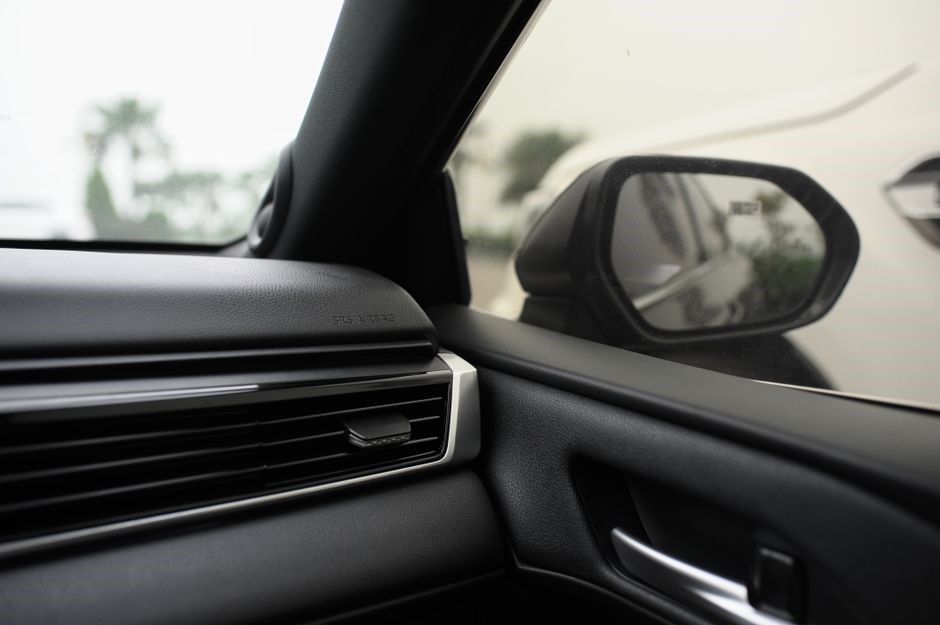
Engine: 3․5‑L V6, 268 hp @ 6,400 rpm, 248 lb‑ft torque @ 4,200 rpm․ Transmission: 6‑speed automatic with over‑drive․ Fuel capacity: 15 gallons․ EPA city/highway: 21/27 mpg․ Wheelbase: 188․5 inches․ Width: 78․9 inches․ Height: 68․7 inches․ Curb weight: 4,300 lbs․ Suspension: MacPherson strut front, multi‑link rear․ Brakes: ventilated discs front, solid discs rear․ Tires: 255/45R19 front, 275/40R19 rear․ Battery: 12‑V, 70‑Ah․ Wiring: 12‑AWG for high‑current circuits, 18‑AWG for data․ Wiring diagram reference: diagram 1 shows power‑train, diagram 2 shows electrical system, diagram 3 shows body‑control modules․ All wiring follows OEM color codes and connector types specified in the service manual․ For detailed pin‑outs, consult the wiring diagram PDF linked in the owner’s manual․ The RX 350’s CAN‑bus network transmits data between the engine control unit, transmission control unit, and body‑control module․ The wiring harness is routed under the floor, along the side panels, and through the engine bay․ Maintain proper insulation and avoid abrasion․ Service intervals: oil change every 5,000 miles or 6 months, coolant every 30,000 miles, air filter every 15,000 miles․ Check brake pads annually․ Use OEM parts․ Wiring diagram includes 120 connectors, 48 circuits, 32 modules․ Electrical system powered by 12‑V battery; hybrid models use 48‑V high‑voltage battery․ Manual lists fault codes for DTC system․ To access wiring diagram PDF, go to Lexus service portal, log in with VIN, download “RX 350 Wiring Diagram – 2013․” PDF is 2 pages, 1․5 MB․ It shows all connectors, pin numbers, cable routes․ Manual also includes troubleshooting guide for common electrical issues such as dimming headlights, intermittent power windows, and malfunctioning climate control․ Follow step‑by‑step procedures to isolate faults․ —————————————————————————————————————————————————————————————————————————————————————————————————————————————————————————————————————————————————————————————————————————————————————————————————————————————————————————————————————————————————————————————————————————————————————————————————————————————————————————————————————————————————————————————————————————————————————————————————————————————————————————————————————————————————————————————————————————————————————————————————————————————————————————————————————————————————————————————————————————————————————————————————————————————————————————————————————————————————————————————————————————————————————————————————————————————————————————————————————————————————————————————————————————————————————————————————————————————————————————————————————————————————————————————————————————————————————————————————————————————————————————————————————————————————————————————————————————————————————————————————————————————————————————————————————————————————————————————————————————————————————————————————————————————————————————————————————————————————————————————————————————————————————————————————————————————————————————————————————————————————————————————————————————————————————————————————————————————————————————————————————————————————————————————————————————————————————————————————————————————————————————————————————————————————————————————————————————————————————————————————————————————————————————————————————————————————————————————————————————————————————————————————————————————————————————————————————————————————————————————————————————————————————————————————————————————————————————————————————————————————————————————————————————————————————————————————————————————————————————————————————————————————————————————————————————————————————————————————————————————————————————————————————————————————————————————————————————————————————————————————————————————————————————————————————————————————————————————————————————————————————————————————————————————————————————————————————————————————————————————————————————————————————————————————————————————————————————————————————————————————————————————————————————————————————————————————————————————————————————————————————————————————————————————————————————————————————————————————————————————————————————————————————————————————————————————————————————————————————————————————————————————————————————————————————————————————————————————————————————————————————————————————————————————————————————————————————————————————————————————————————————————————————————————————————————————————————————————————————————————————————————————————————————————————————————————————————————————————————————————————————————————————————————————————————————————————————————————————————————————————————————————————————————————————————————————————————————————————————————————————————————————————————————————————————————————————————————————————————————————————————————————————————————————————————————————————————————————————————————————————————————————————————————————————————————————————————————————————————————————————————————————————————————————————————————————————————————————————————————————————————————————————————————————————————————————————————————————————————————————————————————————————————————————————————————————————————————————————————————————————————————————————————————————————————————————————————————————————————————————————————————————————————————————————————————————————————————————————————————————————————————————————————————————————————————————————————————————————————————————————————————————————————————————————————————————————————————————————————————————————————————————————————————————————————————————————————————————————————————————————————————————————————————————————————————————————————————————————————————————————————————————————————————————————————————————————————————————————————————————————————————————————————————————————————————————————————————————————————————————————————————————————————————————————————————————————————————————————————————————————————————————————————————————————————————————————————————————————————————————————————————————————————————————————————————————————————————————————————————————————————————————————————————————————————————————————————————————————————————————————————————————————————————————————————————————————————————————————————————————————————————————————————————————————————————————————————————————————————————————————————————————————————————————————————————————————————————————————————————————————————————————————————————————————————————————————————————————————————————————————————————————————————————————————————————————————————————————————————————————————————————————————————————————————————————————————————————————————————————————————————————————————————————————————————————————————————————————————————————————————————————————————————————————————————————————————————————————————————————————————————————————————————————————————————————————————————————————————————————————————————————————————————————————————————————————————————————————————————————————————————————————————————————————————————————————————————————————————————————————————————————————————————————————————————————————————————————————————————————————————————————————————————————————————————————————————————————————————————————————————————————————————————————————————————————————————————————————————————————————————————————————————————————————————————————————————————————————————————————————————————————————————————————————————————————————————————————————————————————————————————————————————————————————————————————————————————————————————————————————————————————————————————————————————————————————————————————————————————————————————————————————————————————————————————————————————————————————————————————————————————————————————————————————————————————————————————————————————————————————————————————————————————————————————————————————————————————————————————————————————————————————————————————————————————————————————————————————————————————————————————————————————————————————————————————————————————————————————————————————————————————————————————————————————————————————————————————————————————————————————————————————————————————————————————————————————————————————————————————————————————————————————————————————————————————————————————————————————————————————————————————————————————————————————————————————————————————————————————————————————————————————————————————————————————————————————————————————————————————————————————————————————————————————————————————————————————————————————————————————————————————————————————————————————————————————————————————————————————————————————————————————————————————————————————————————————————————————————————————————————————————————————————————————————————————————————————————————————————————————————————————————————————————————————————————————————————————————————————————————————————————————————————————————————————————————————————————————————————————————————————————————————————————————————————————————————————————————————————————————————————————————————————————————————————————————————————————————————————————————————————————————————————————————————————————————————————————————————————————————————————————————————————————————————————————————————————————————————————————————————————————————————————————————————————————————————————————————————————————————————————————————————————————————————————————————————————————————————————————————————————————————————————————————————————————————————————————————————————————————————————————————————————————————————————————————————————————————————————————————————————————————————————————————————————————————————————————————————————————————————————————————————————————————————————————————————————————————————————————————————————————————————————————————————————————————————————————————————————————————————————————————————————————————————————————————————————————————————————————————————————————————————————————————————————————————————————————————————————————————————————————————————————————————————————————————————————————————————————————————————————————————————————————————————————————————————————————————————————————————————————————————————————————————————————————————————————————————————————————————————————————————————————————————————————————————————————————————————————————————————————————————————————————————————————————————————————————————————————————————————————————————————————————————————————————————————————————————————————————————————————————————————————————————————————————————————————————————————————————————————————————————————————————————————————————————————————————————————————————————————————————————————————————————————————————————————————————————————————————————————————————————————————————————————————————————————————————————————————————————————————————————————————————————————————————————————————————————————————————————————————————————————————————————————————————————————————————————————————————————————————————————————————————————————————————————————————————————————————————————————————————————————————————————————————————————————————————————————————————————————————————————————————————————————————————————————————————————————————————————————————————————————————————————————————————————————————————————————————————————————————————————————————————————————————————————————————————————————————————————————————————————————————————————————————————————————————————————————————————————————————————————————————————————————————————————————————————————————————————————————————————————————————————————————————————————————————————————————————————————————————————————————————————————————————————————————————————————————————————————————————————————————————————————————————————————————————————————————————————————————————————————————————————————————————————————————————————————————————————————————————————————————————————————————————————————————————————————————————————————————————————————————————————————————————————————————————————————————————————————————————————————————————————————————————————————————————————————————————————————————————————————————————————————————————————————————————————————————————————————————————————————————————————————————————————————————————————————————————————————————————————————————————————————————————————————————————————————————————————————————————————————————————————————————————————————————————————————————————————————————————————————————————————————————————————————————————————————————————————————————————————————————————————————————————————————————————————————————————————————————————————————————————————————————————————————————————————————————————————————————————————————————————————————————————————————————————————————————————————————————————————————————————————————————————————————————————————————————————————————————————————————————————————————————————————————————————————————————————————————————————————————————————————————————————————————————————————————————————————————————————————————————————————————————————————————————————————————————————————————————————————————————————————————————————————————————————————————————————————————————————————————————————————————————————————————————————————————————————————————————————————————————————————————————————————————————————————————————————————————————————————————————————————————————————————————————————————————————————————————————————————————————————————————————————————————————————————————————————————————————————————————————————————————————————————————————————————————————————————————————————————————————————————————————————————————————————————————————————————————————————————————————————————————————————————————————————————————————————————————————————————————————————————————————————————————————————————————————————————————————————————————————————————————————————————————————————————————————————————————————————————————————————————————————————————————————————————————————————————————————————————————————————————————————————————————————————————————————————————————————————————————————————————————————————————————————————————————————————————————————————————————————————————————————————————————————————————————————————————————————————————————————————————————————————————————————————————————————————————————————————————————————————————————————————————————————————————————————————————————————————————————————————————————————————————————————————————————————————————————————————————————————————————————————————————————————————————————————————————————————————————————————————————————————————————————————————————————————————————————————————————————————————————————————————————————————————————————————————————————————————————————————————————————————————————————————————————————————————————————————————————————————————————————————————————————————————————————————————————————————————————————————————————————————————————————————————————————————————————————————————————————————————————————————————————————————————————————————————————————————————————————————————————————————————————————————————————————————————————————————————————————————————————————————————————————————————————————————————————————————————————————————————————————————————————————————————————————————————————————————————————————————————————————————————————————————————————————————————————————————————————————————————————————————————————————————————————————————————————————————————————————————————————————————————————————————————————————————————————————————————————————————————————————————————————————————————————————————————————————————————————————————————————————————————————————————————————————————————————————————————————————————————————————————————————————————————————————————————————————————————————————————————————————————————————————————————————————————————————————————————————————————————————————————————————————————————————————————————————————————————————————————————————————————————————————————————————————————————————————————————————————————————————————————————————————————————————————————————————————————————————————————————————————————————————————————————————————————————————————————————————————————————————————————————————————————————————————————————————————————————————————————————————————————————————————————————————————————————————————————————————————————————————————————————————————————————————————————————————————————————————————————————————————————————————————————————————————————————————————————————————————————————————————————————————————————————————————————————————————————————————————————————————————————————————————————————————————————————————————————————————————————————————————————————————————————————————————————————————————————————————————————————————————————————————————————————————————————————————————————————————————————————————————————————————————————————————————————————————————————————————————————————————————————————————————————————————————————————————————————————————————————————————————————————————————————————————————————————————————————————————————————————————————————————————————————————————————————————————————————————————————————————————————————————————————————————————————————————————————————————————————————————————————————————————————————————————————————————————————————————————————————————————————————————————————————————————————————————————————————————————————————————————————————————————————————————————————————————————————————————————————————————————————————————————————————————————————————————————————————————————————————————————————————————————————————————————————————————————————————————————————————————————————————————————————————————————————————————————————————————————————————————————————————————————————————————————————————————————————————————————————————————————————————————————————————————————————————————————————————————————————————————————————————————————————————————————————————————————————————————————————————————————————————————————————————————————————————————————————————————————————————————————————————————————————————————————————————————————————————————————————————————————————————————————————————————————————————————————————————————————————————————————————————————————————————————————————————————————————————————————————————————————————————————————————————————————————————————————————————————————————————————————————————————————————————————————————————————————————————————————————————————————————————————————————————————————————————————————————————————————————————————————————————————————————————————————————————————————————————————————————————————————————————————————————————————————————————————————————————————————————————————————————————————————————————————————————————————————————————————————————————————————————————————————————————————————————————————————————————————————————————————————————————————————————————————————————————————————————————————————————————————————————————————————————————————————————————————————————————————————————————————————————————————————————————————————————————————————————————————————————————————————————————————————————————————————————————————————————————————————————————————————————————————————————————————————————————————————————————————————————————————————————————————————————————————————————————————————————————————————————————————————————————————————————————————————————————————————————————————————————————————————————————————————————————————————————————————————————————————————————————————————————————————————————————————————————————————————————————————————————————————————————————————————————————————————————————————————————————————————————————————————————————————————————————————————————————————————————————————————————————————————————————————————————————————————————————————————————————————————————————————————————————————————————————————————————————————————————————————————————————————————————————————————————————————————————————————————————————————————————————————————————————————————————————————————————————————————————————————————————————————————————————————————————————————————————————————————————————————————————————————————————————————————————————————————————————————————————————————————————————————————————————————————————————————————————————————————————————————————————————————————————————————————————————————————————————————————————————————————————————————————————————————————————————————————————————————————————————————————————————————————————————————————————————————————————————————————————————————————————————————————————————————————————————————————————————————————————————————————————————————————————————————————————————————————————————————————————————————————————————————————————————————————————————————————————————————————————————————————————————————————————————————————————————————————————————————————————————————————————————————————————————————————————————————————————————————————————————————————————————————————————————————————————————————————————————————————————————————————————————————————————————————————————————————————————————————————————————————————————————————————————————————————————————————————————————————————————————————————————————————————————————————————————————————————————————————————————————————————————————————————————————————————————————————————————————————————————————————————————————————————————————————————————————————————————————————————————————————————————————————————————————————————————————————————————————————————————————————————————————————————————————————————————————————————————————————————————————————————————————————————————————————————————————————————————————————————————————————————————————————————————————————————————————————————————————————————————————————————————————————————————————————————————————————————————————————————————————————————————————————————————————————————————————————————————————————————————————————————————————————————————————————————————————————————————————————————————————————————————————————————————————————————————————————————————————————————————————————————————————————————————————————————————————————————————————————————————————————————————————————————————————————————————————————————————————————————————————————————————————————————————————————————————————————————————————————————————————————————————————————————————————————————————————————————————————————————————————————————————————————————————————————————————————————————————————————————————————————————————————————————————————————————————————————————————————————————————————————————————————————————————————————————————————————————————————————————————————————————————————————————————————————————————————————————————————————————————————————————————————————————————————————————————————————————————————————————————————————————————————————————————————————————————————————————————————————————————————————————————————————————————————————————————————————————————————————————————————————————————————————————————————————————————————————————————————————————————————————————————————————————————————————————————————————————————————————————————————————————————————————————————————————————————————————————————————————————————————————————————————————————————————————————————————————————————————————————————————————————————————————————————————————————————————————————————————————————————————————————————————————————————————————————————————————————————————————————————————————————————————————————————————————————————————————————————————————————————————————————————————————————————————————————————————————————————————————————————————————————————————————————————————————————————————————————————————————————————————————————————————————————————————————————————————————————————————————————————————————————————————————————————————————————————————————————————————————————————————————————————————————————————————————————————————————————————————————————————————————————————————————————————————————————————————————————————————————————————————————————————————————————————————————————————————————————————————————————————————————————————————————————————————————————————————————————————————————————————————————————————————————————————————————————————————————————————————————————————————————————————————————————————————————————————————————————————————————————————————————————————————————————————————————————————————————————————————————————————————————————————————————————————————————————————————————————————————————————————————————————————————————————————————————————————————————————————————————————————————————————————————————————————————————————————————————————————————————————————————————————————————————————————————————————————————————————————————————————————————————————————————————————————————————————————————————————————————————————————————————————————————————————————————————————————————————————————————————————————————————————————————————————————————————————————————————————————————————————————————————————————————————————————————————————————————————————————————————————————————————————————————————————————————————————————————————————————————————————————————————————————————————————————————————————————————————————————————————————————————————————————————————————————————————————————————————————————————————————————————————————————————————————————————————————————————————————————————————————————————————————————————————————————————————————————————————————————————————————————————————————————————————————————————————————————————————————————————————————————————————————————————————————————————————————————————————————————————————————————————————————————————————————————————————————————————————————————————————————————————————————————————————————————————————————————————————————————————————————————————————————————————————————————————————————————————————————————————————————————————————————————————————————————————————————————————————————————————————————————————————————————————————————————————————————————————————————————————————————————————————————————————————————————————————————————————————————————————————————————————————————————————————————————————————————————————————————————————————————————————————————————————————————————————————————————————————————————————————————————————————————————————————————————————————————————————————————————————————————————————————————————————————————————————————————————————————————————————————————————————————————————————————————————————————————————————————————————————————————————————————————————————————————————————————————————————————————————————————————————————————————————————————————————————————————————————————————————————————————————————————————————————————————————————————————————————————————————————————————————————————————————————————————————————————————————————————————————————————————————————————————————————————————————————————————————————————————————————————————————————————————————————————————————————————————————————————————————————————————————————————————————————————————————————————————————————————————————————————————————————————————————————————————————————————————————————————————————————————————————————————————————————————————————————————————————————————————————————————————————————————————————————————————————————————————————————————————————————————————————————————————————————————————————————————————————————————————————————————————————————————————————————————————————————————————————————————————————————————————————————————————————————————————————————————————————————————————————————————————————————————————————————————————————————————————————————————————————————————————————————————————————————————————————————————————————————————————————————————————————————————————————————————————————————————————————————————————————————————————————————————————————————————————————————————————————————————————————————————————————————————————————————————————————————————————————————————————————————————————————————————————————————————————————————————————————————————————————————————————————————————————————————————————————————————————————————————————————————————————————————————————————————————————————————————————————————————————————————————————————————————————————————————————————————————————————————————————————————————————————————————————————————————————————————————————————————————————————————————————————————————————————————————————————————————————————————————————————————————————————————————————————————————————————————————————————————————————————————————————————————————————————————————————————————————————————————————————————————————————————————————————————————————————————————————————————————————————————————————————————————————————————————————————————————————————————————————————————————————————————————————————————————————————————————————————————————————————————————————————————————————————————————————————————————————————————————————————————————————————————————————————————————————————————————————————————————————————————————————————————————————————————————————————————————————————————————————————————————————————————————————————————————————————————————————————————————————————————————————————————————————————————————————————————————————————————————————————————————————————————————————————————————————————————————————————————————————————————————————————————————————————————————————————————————————————————————————————————————————————————————————————————————————————————————————————————————————————————————————————————————————————————————————————————————————————————————————————————————————————————————————————————————————————————————————————————————————————————————————————————————————————————————————————————————————————————————————————————————————————————————————————————————————————————————————————————————————————————————————————————————————————————————————————————————————————————————————————————————————————————————————————————————————————————————————————————————————————————————————————————————————————————————————————————————————————————————————————————————————————————————————————————————————————————————————————————————————————————————————————————————————————————————————————————————————————————————————————————————————————————————————————————————————————————————————————————————————————————————————————————————————————————————————————————————————————————————————————————————————————————————————————————————————————————————————————————————————————————————————————————————————————————————————————————————————————————————————————————————————————————————————————————————————————————————————————————————————————————————————————————————————————————————————————————————————————————————————————————————————————————————————————————————————————————————————————————————————————————————————————————————————————————————————————————————————————————————————————————————————————————————————————————————————————————————————————————————————————————————————————————————————————————————————————————————————————————————————————————————————————————————————————————————————————————————————————————————————————————————————————————————————————————————————————————————————————————————————————————————————————————————————————————————————————————————————————————————————————————————————————————————————————————————————————————————————————————————————————————————————————————————————————————————————————————————————————————————————————————————————————————————————————————————————————————————————————————————————————————————————————————————————————————————————————————————————————————————————————————————————————————————————————————————————————————————————————————————————————————————————————————————————————————————————————————————————————————————————————————————————————————————————————————————————————————————————————————————————————————————————————————————————————————————————————————————————————————————————————————————————————————————————————————————————————————————————————————————————————————————————————————————————————————————————————————————————————————————————————————————————————————————————————————————————————————————————————————————————————————————————————————————————————————————————————————————————————————————————————————————————————————————————————————————————————————————————————————————————————————————————————————————————————————————————————————————————————————————————————————————————————————————————————————————————————————————————————————————————————————————————————————————————————————————————————————————————————————————————————————————————————————————————————————————————————————————————————————————————————————————————————————————————————————————————————————————————————————————————————————————————————————————————————————————————————————————————————————————————————————————————————————————————————————————————————————————————————————————————————————————————————————————————————————————————————————————————————————————————————————————————————————————————————————————————————————————————————————————————————————————————————————————————————————————————————————————————————————————————————————————————————————————————————————————————————————————————————————————————————————————————————————————————————————————————————————————————————————————————————————————————————————————————————————————————————————————————————————————————————————————————————————————————————————————————————————————————————————————————————————————————————————————————————————————————————————————————————————————————————————————————————————————————————————————————————————————————————————————————————————————————————————————————————————————————————————————————————————————————————————————————————————————————————————————————————————————————————————————————————————————————————————————————————————————————————————————————————————————————————————————————————————————————————————————————————————————————————————————————————————————————————————————————————————————————————————————————————————————————————————————————————————————————————————————————————————————————————————————————————————————————————————————————————————————————————————————————————————————————————————————————————————————————————————————————————————————————————————————————————————————————————————————————————————————————————————————————————————————————————————————————————————————————————————————————————————————————————————————————————————————————————————————————————————————————————————————————————————————————————————————————————————————————————————————————————————————————————————————————————————————————————————————————————————————————————————————————————————————————————————————————————————————————————————————————————————————————————————————————————————————————————————————————————————————————————————————————————————————————————————————————————————————————————————————————————————————————————————————————————————————————————————————————————————————————————————————————————————————————————————————————————————————————————————————————————————————————————————————————————————————————————————————————————————————————————————————————————————————————————————————————————————————————————————————————————————————————————————————————————————————————————————————————————————————————————————————————————————————————————————————————————————————————————————————————————————————————————————————————————————————————————————————————————————————————————————————————————————————————————————————————————————————————————————————————————————————————————————————————————————————————————————————————————————————————————————————————————————————————————————————————————————————————————————————————————————————————————————————————————————————————————————————————————————————————————————————————————————————————————————————————————————————————————————————————————————————————————————————————————————————————————————————————————————————————————————————————————————————————————————————————————————————————————————————————————————————————————————————————————————————————————————————————————————————————————————————————————————————————————————————————————————————————————————————————————————————————————————————————————————————————————————————————————————————————————————————————————————————————————————————————————————————————————————————————————————————————————————————————————————————————————————————————————————————————————————————————————————————————————————————————————————————————————————————————————————————————————————————————————————————————————————————————————————————————————————————————————————————————————————————————————————————————————————————————————————————————————————————————————————————————————————————————————————————————————————————————————————————————————————————————————————————————————————————————————————————————————————————————————————————————————————————————————————————————————————————————————————————————————————————————————————————————————————————————————————————————————————————————————————————————————————————————————————————————————————————————————————————————————————————————————————————————————————————————————————————————————————————————————————————————————————————————————————————————————————————————————————————————————————————————————————————————————————————————————————————————————————————————————————————————————————————————————————————————————————————————————————————————————————————————————————————————————————————————————————————————————————————————————————————————————————————————————————————————————————————————————————————————————————————————————————————————————————————————————————————————————————————————————————————————————————————————————————————————————————————————————————————————————————————————————————————————————————————————————————————————————————————————————————————————————————————————————————————————————————————————————————————————————————————————————————————————————————————————————————————————————————————————————————————————————————————————————————————————————————————————————————————————————————————————————————————————————————————————————————————————————————————————————————————————————————————————————————————————————————————————————————————————————————————————————————————————————————————————————————————————————————————————————————————————————————————————————————————————————————————————————————————————————————————————————————————————————————————————————————————————————————————————————————————————————————————————————————————————————————————————————————————————————————————————————————————————————————————————————————————————————————————————————————————————————————————————————————————————————————————————————————————————————————————————————————————————————————————————————————————————————————————————————————————————————————————————————————————————————————————————————————————————————————————————————————————————————————————————————————————————————————————————————————————————————————————————————————————————————————————————————————————————————————————————————————————————————————————————————————————————————————————————————————————————————————————————————————————————————————————————————————————————————————————————————————————————————————————————————————————————————————————————————————————————————————————————————————————————————————————————————————————————————————————————————————————————————————————————————————————————————————————————————————————————————————————————————————————————————————————————————————————————————————————————————————————————————————————————————————————————————————————————————————————————————————————————————————————————————————————————————————————————————————————————————————————————————————————————————————————————————————————————————————————————————————————————————————————————————————————————————————————————————————————————————————————————————————————————————————————————————————————————————————————————————————————————————————————————————————————————————————————————————————————————————————————————————————————————————————————————————————————————————————————————————————————————————————————————————————————————————————————————————————————————————————————————————————————————————————————————————————————————————————————————————————————————————————————————————————————————————————————————————————————————————————————————————————————————————————————————————————————————————————————————————————————————————————————————————————————————————————————————————————————————————————————————————————————————————————————————————————————————————————————————————————————————————————————————————————————————————————————————————————————————————————————————————————————————————————————————————————————————————————————————————————————————————————————————————————————————————————————————————————————————————————————————————————————————————————————————————————————————————————————————————————————————————————————————————————————————————————————————————————————————————————————————————————————————————————————————————————————————————————————————————————————————————————————————————————————————————————————————————————————————————————————————————————————————————————————————————————————————————————————————————————————————————————————————————————————————————————————————————————————————————————————————————————————————————————————————————————————————————————————————————————————————————————————————————————————————————————————————————————————————————————————————————————————————————————————————————————————————————————————————————————————————————————————————————————————————————————————————————————————————————————————————————————————————————————————————————————————————————————————————————————————————————————————————————————————————————————————————————————————————————————————————————————————————————————————————————————————————————————————————————————————————————————————————————————————————————————————————————————————․
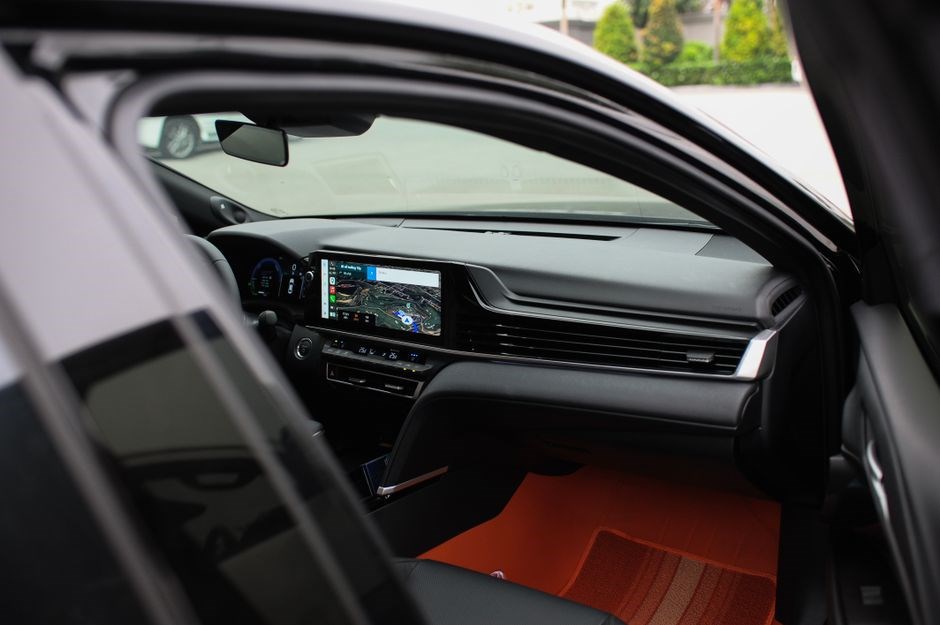
Official 2013 Lexus RX 350 manuals and firmware updates can be obtained directly from Lexus․ The most reliable source is the Lexus Dealer Network․ Authorized dealers provide hard‑copy manuals and free PDF downloads after you supply the VIN and proof of ownership․ The Lexus website hosts a dedicated “Owner’s Manual” section where you can enter the VIN and download the latest PDF at no cost․ For software and firmware updates, the Lexus Connected Services portal requires a registered account․ After logging in, you can view the “Vehicle Software Update” tab, schedule a dealer visit, or, if supported, perform a wireless over‑the‑air update from the vehicle’s infotainment screen․ Lexus Service Centers also offer the service manual, which contains detailed repair instructions, wiring diagrams, and technical bulletins․ This document is separate from the owner’s manual and is only available through the Lexus Technical Information System (LTIS) for authorized technicians․ If you are a certified technician, you can access LTIS by logging into the Lexus Service Portal with your credentials․ For general owners, the owner’s manual and the free digital PDF from Lexus․com are the most convenient and reliable sources․ Internationally, the Lexus International website offers region‑specific manuals in multiple languages; simply select your country from the drop‑down menu and follow the VIN lookup procedure․ Always ensure the manual matches the exact trim level (RX 350, RX 350L) to avoid missing features or specifications that differ between trims․ Additionally, Lexus provides periodic service bulletins that address common issues; these can be accessed via the same portal or by contacting your dealer․ For recalls, check the database!!!!․
The Monkey’s Paw PDF offers a digital gateway to W. W. Jacobs’ classic tale, preserving original illustrations and typography for modern readers. Released in 2026, the edition features searchable text, annotations, and a clean layout that respects the story’s eerie atmosphere Crisp images add depth
W. W. Jacobs first published “The Monkey’s Paw” in 1902 as a short story in the London magazine New Review. The narrative, centered on a cursed talisman that grants three wishes, quickly became a staple of early twentieth‑century horror literature, inspiring countless stage plays, radio dramas, and film adaptations. Its enduring appeal lies in the simple yet chilling premise that human desire can be twisted into tragedy, a theme that resonates across cultures and eras. In the digital age, the story has been re‑imagined as a downloadable PDF, allowing readers to experience Jacobs’ original prose and illustrations in a portable, searchable format. The PDF edition preserves the 1902 typography, complete with hand‑drawn images that accompany the text, while adding modern conveniences such as clickable hyperlinks to footnotes and a table of contents. This format also supports OCR (optical character recognition), enabling full-text search and integration with e‑readers and academic citation tools. The digital version has been distributed through both official publisher channels and reputable e‑book repositories, ensuring that the classic tale remains accessible to new generations of readers worldwide. Readers can also download the PDF for offline study, annotate directly within the document, or convert it to EPUB for use on tablets. The format’s lightweight size and compatibility with screen readers make it ideal for both enjoyment.
Since the early 2000s, the public domain status of Jacobs’ 1902 short story has allowed a variety of digital publishers to produce PDF editions. The first widely distributed PDF appeared in 2005, released by the open‑source project Project Gutenberg, which offered a clean, searchable version with the original illustrations restored from archival scans. In 2010, the British publisher Penguin Classics issued a high‑resolution PDF edition that incorporated a new critical introduction by literary scholar Dr. Emily Carter, providing contextual analysis of the story’s themes and its place within early Victorian horror. This edition was distributed through both print and digital channels, with the PDF available on the Penguin website and major e‑book retailers. The following year, a joint venture between the American Library Association and the Library of Congress produced a PDF edition that included annotated footnotes and a glossary of archaic terms, aimed at academic users. In 2015, a commercial publisher, HarperCollins, released a deluxe PDF edition featuring enhanced typography, a full‑color illustration set, and an interactive timeline of the story’s adaptations. The most recent edition, published in 2023 by the digital publishing house LitTech, leverages modern PDF/UA standards to ensure full accessibility compliance, offering screen‑reader friendly navigation, alternative text for images, and adjustable font sizes.Throughout its history, each PDF edition has maintained fidelity to the original text while adapting to evolving digital standards and user expectations.The PDF’s design also supports versions, with an optional Spanish translation added in 2021, and a 2024 update that incorporates user annotations, making it a doc.
W. W. Jacobs’ 1902 story is public domain in the U.S. and EU, allowing free PDF distribution. No new copyright claims exist, so the PDF can be shared openly. However, publishers may add editorial notes under separate licenses. PDF editions remain free to download, but business use requires licensing!!!
W. W. Jacobs’ 1902 short story “The Monkey’s Paw” entered the public domain in the United States and the European Union after the expiration of the author’s life‑plus‑70‑year term. Because the narrative, its original illustrations, and the first‑edition typeface are free of copyright, any party may create, modify, and redistribute a PDF version without paying royalties or seeking permission. This status encourages a wide range of digital libraries, educational platforms, and independent publishers to host the text in a PDF format, often embedding searchable text layers and metadata for accessibility. However, the public‑domain claim does not automatically cover derivative elements such as modern translations, new cover art, or editorial commentary that may be added by a publisher. Those components remain subject to their own copyright terms, and distributors must ensure that the PDF contains only public‑domain material or that they hold the necessary licenses. For academic use, the free PDF can be incorporated into course packs, learning management systems, or open‑access repositories, provided that the PDF’s file size, resolution, and text encoding remain within the limits of the platform’s upload policies. The absence of licensing fees also means that projects can offer the PDF on multiple mirrors, torrent sites, or peer‑to‑peer networks, increasing resilience against takedown notices. Nonetheless, users should verify that the PDF source is reputable, as some sites may bundle the text with non‑public‑domain images or embed tracking scripts. Overall, the public‑domain status grants maximal freedom for PDF distribution while still requiring vigilance over added content that could reintroduce copyright constraints. This flexibility supports educators, researchers, and casual readers alike. Enjoy!
Because “The Monkey’s Paw” is in the public domain, the text itself has no exclusive rights holder. However, modern publishers that produce a PDF often add new cover art, editorial notes, or a unique layout, and those elements are protected by copyright. The rights holder for such derivative works is typically the publisher or the designer who created the new material. When a PDF is distributed, the distributor must either use only the public‑domain text or obtain a license for any non‑public‑domain content. Many open‑access projects rely on Creative Commons licenses to allow free sharing while protecting added commentary. For instance, a PDF that includes a contemporary translation or a scholarly introduction would need a separate license from the translator or author. If the PDF is sold, the seller must provide proof of rights for all non‑public‑domain components. In contrast, a freely downloadable PDF that contains only the original text and a plain layout can be shared without any licensing agreements. Some institutions host the PDF under a permissive license such as CC‑BY, which permits redistribution with attribution. Others use a more restrictive license to control commercial use. It is essential for users to check the license statement at the bottom of the PDF or on the hosting site before using or redistributing the file. This ensures compliance with any contractual obligations and protects both the distributor and the rights holders of derivative content also.
Available on major e‑book platforms like Project Gutenberg, Google Books, and Amazon Kindle. Open‑source libraries host free PDFs, while commercial sites offer premium editions with annotations. Users can download, read, or embed the file in LMS systems.Free PDF!!!!
Official releases of “The Monkey’s Paw” PDF are distributed by reputable publishers such as Penguin Random House, HarperCollins, and Hachette. Each edition is available in multiple formats, including a high‑resolution PDF with embedded fonts, searchable text, and a printable layout that preserves the original 1902 illustrations. The PDF can be purchased directly from the publisher’s online storefronts, where a secure checkout process ensures that the file is delivered via a unique download link that expires after the first use to prevent unauthorized sharing. In addition, many academic libraries subscribe to the e‑book services of OverDrive and ProQuest, granting students and faculty instant access to the PDF through their institutional credentials. For those who prefer a free, legally‑available version, Project Gutenberg hosts a public‑domain PDF that includes the full text and original illustrations, downloadable from the site’s “Download” section. The PDF is also listed on Google Books, where users can preview the entire story and then click a “Download PDF” button that routes the file through Google’s cloud storage. Finally, the official publisher’s mobile app offers an in‑app purchase option that streams the PDF directly to a user’s device, allowing offline reading on iOS and Android. All links are HTTPS‑secured and require no additional software beyond a standard PDF reader such as Adobe Acrobat Reader, Foxit Reader, or the built‑in viewer in most web browsers. By using these official channels, readers can be confident that they are accessing a high‑quality, copyright‑compliant version of the classic tale.
These official PDFs are typically licensed under a standard publisher agreement that grants the user a non‑exclusive, non‑transferable right to view and print the text for personal use. The agreement prohibits redistribution, copying, or commercial exploitation without explicit permission from the rights holder. For academic institutions, many publishers offer bulk licensing options that include a digital watermark identifying the source institution, ensuring that the PDF remains traceable and discouraging illicit sharing. The download links are protected by a one‑time token system that expires after 48 hours, preventing unauthorized access. Users who lose their token can request a new one via the publisher’s support portal, which requires verification of the original purchase or library subscription. In addition, the PDF files are signed with a cryptographic hash that can be verified using the publisher’s public key, guaranteeing that the file has not been altered since distribution. This level of security is especially important for educators who need to distribute the text to students while maintaining copyright compliance. Finally, the PDF includes metadata fields such as author, title, publisher, and ISBN, which can be viewed in most PDF readers and are useful for cataloging and citation purposes.
All official PDFs are delivered in a single file, for all consistency.
For readers seeking the Monkey’s Paw in PDF form, a variety of free and paid repositories exist. Free sites such as Project Gutenberg, Internet Archive, and Open Library host the public‑domain edition, offering direct downloads that preserve the original layout and illustrations. Users can also find the PDF on Google Books, where a preview link leads to a download button that streams the file through Google’s secure servers. In addition, the academic repository JSTOR occasionally provides a PDF copy for registered users, while the digital library HathiTrust offers a scanned version that can be downloaded after a short wait time. Paid options include Scribd, which offers a subscription model granting unlimited access to a vast e‑book library, and Amazon Kindle, where the PDF can be purchased as a Kindle edition and then exported to PDF via the Kindle app. Other commercial platforms such as eBooks.com, Kobo, and Barnes & Noble’s Nook store also sell the PDF, often bundled with additional study guides or annotated versions. These paid repositories typically provide higher‑resolution images and enhanced navigation features, such as clickable chapter links and built‑in note‑taking tools. Whether a user prefers a free, legally‑available copy or a premium version with extra functionality, the Monkey’s Paw PDF is widely accessible across these platforms. Readers can download these PDFs directly from the publisher’s site or via reputable e‑book platforms, ensuring a reliable, high‑quality experience for both casual readers!
The PDF showcases a 6×9 inch layout, 12‑point Times New Roman, with 1.5 line spacing. Embedded fonts ensure consistent rendering. OCR layers enable full-text search, while tagged structure supports screen readers. Interactive bookmarks link each chapter for quick navigation. PDF/A‑2b compliant!!!!
The PDF edition of “The Monkey’s Paw” is meticulously crafted to mirror the original 1902 print while leveraging modern digital conveniences. Each page measures 6.5 inches by 9 inches, a standard size that balances readability with portability. The text is set in 12‑point Times New Roman, with 1.5 line spacing and 1‑inch left margin, 0.75‑inch right margin, and 0.75‑inch top and bottom margins, ensuring a comfortable visual rhythm. The first paragraph of every chapter is indented by 0.25 inches, while chapter titles are centered in bold 14‑point Helvetica, providing clear visual cues. Marginalia are preserved as separate layers, allowing readers to toggle them on or off without affecting the main narrative. The PDF incorporates a dual‑page spread view that mimics the experience of reading a physical book, complete with page numbers in the footer, centered in 10‑point Arial. The document is tagged for accessibility, with logical reading order and proper heading levels, enabling screen readers to navigate chapters and sections seamlessly. Embedded fonts guarantee consistent rendering across devices, and the file is compressed to 2.3 MB, making it lightweight for download while maintaining high‑resolution images of the original illustrations. The PDF also includes a clickable table of contents that links directly to each chapter, and a search‑enabled text layer that allows users to locate specific phrases quickly. Finally, the file complies with PDF/A‑2b standards, ensuring long‑term preservation and archival stability. End.!!
Designed for inclusive reading, the PDF incorporates full tagging, with logical reading order, alt text for images, and a hidden layer of descriptive captions. The document is compliant with PDF/UA 1.0, enabling screen readers to interpret headings, lists, and footnotes accurately. Users can toggle the high‑contrast mode, which automatically adjusts the color scheme to a black‑on‑white palette, improving readability for low‑vision readers. The embedded OCR layer, generated by ABBYY FineReader, preserves the original typeface while allowing the text to be selectable and searchable. This layer also supports language identification, enabling the PDF to be indexed by search engines and library catalogs. The file includes a separate “reading view” that removes decorative elements and displays only the core narrative, reducing visual clutter for dyslexic readers. Additionally, the PDF offers a “text‑only” export option, which strips all images and formatting, providing a lightweight, 1.2 MB version that can be opened on low‑bandwidth devices. The combination of these features ensures that the classic story is accessible to users with diverse needs, while maintaining fidelity to the original artwork and layout. For users who prefer a tactile experience, the PDF includes a high‑resolution image layer that can be printed at 300 dpi, preserving the original illustrations. Metadata tags aid indexing by digital libraries. Text can be exported to plain‑text or EPUB. For study!!..
The PDF serves as a versatile resource for educators, enabling lesson plans and multimedia integration. Its searchable text supports citation extraction, while annotations facilitate collaborative study. Annotate directly for deeper engagement. —learn

Students and scholars can leverage the PDF’s built‑in annotation tools to highlight key passages, add marginalia, and link to external resources. The document’s text layer is fully searchable, enabling quick retrieval of themes such as fatalism, the supernatural, and the consequences of wish fulfillment. Many educational platforms allow the PDF to be uploaded to learning management systems, where instructors can embed discussion prompts directly next to the relevant text. Interactive study guides often accompany the PDF, offering multiple-choice questions, short answer prompts, and essay outlines that align with curricular standards. These guides can be customized by educators to focus on specific literary devices—foreshadowing, irony, and symbolism—present in Jacobs’ narrative. Furthermore, the PDF’s compatibility with screen readers and text‑to‑speech software ensures accessibility for students with visual impairments. By exporting annotated pages as separate files, teachers can create focused study packs for small groups or individual learners. The ability to export comments in XML or CSV format also supports data-driven analysis of student engagement, allowing teachers to track which passages generate the most discussion. Finally, the PDF’s metadata can be enriched with keywords and subject tags, making it easier for libraries and institutional repositories to index the document for future research. This combination of robust annotation, accessibility, and interoperability positions the Monkey’s Paw PDF as a valuable tool for both classroom instruction and independent study. note.!
Seamless compatibility with popular e‑reader software—such as Adobe Digital Editions, Kindle, and Kobo—allows the Monkey’s Paw PDF to be read on tablets, smartphones, and desktop computers without loss of formatting. The document’s fixed layout preserves the original page margins, line spacing, and illustration placement, ensuring that the eerie atmosphere remains intact across devices. Users can sync bookmarks, highlights, and notes via cloud services (e.g., Dropbox, Google Drive, or OneDrive), enabling cross‑platform access and collaborative study sessions. Learning management systems (LMS) like Canvas, Moodle, and Blackboard support direct PDF uploads, automatically generating a preview pane that students can interact with. Advanced LMS features enable instructors to embed the PDF within course modules, attach supplemental quizzes, and set graded assignments that reference specific page numbers. The PDF’s internal hyperlinks to footnotes and external resources enhance navigation, while the built‑in search function allows quick retrieval of key terms such as “wish,” “curses,” or “fate.” For institutions, the PDF can be integrated into digital libraries using the OpenURL framework, linking to related scholarly articles and critical essays. Accessibility is further supported by the PDF’s compliance with the PDF/UA standard, ensuring screen readers can interpret the text and images accurately. Finally, the file’s metadata—author, title, subject, and keywords—facilitates discoverability through institutional search engines, making the Monkey’s Paw PDF a versatile resource for both casual readers and academic researchers. Educators can also export annotations as separate files, allowing peer review and collaborative editing that enriches critical discussion and supports diverse learning styles. This flexibility promotes deeper engagement and encourages reflective practice. Now.
Download the impactful ‘Bury My Heart at Wounded Knee’ PDF & delve into Native American history. Explore Dee Brown’s classic, a must-read for understanding a tragic past. Get your copy now!
Struggling with SPSS? The Pallant SPSS Survival Manual is your go-to guide for mastering statistical analysis. Get clear explanations & practical examples – conquer your data today!
Download the ‘Cookbook of Gains’ PDF & unlock a world of delicious, healthy recipes designed to fuel your workouts & help you reach your fitness goals. Get it now!